

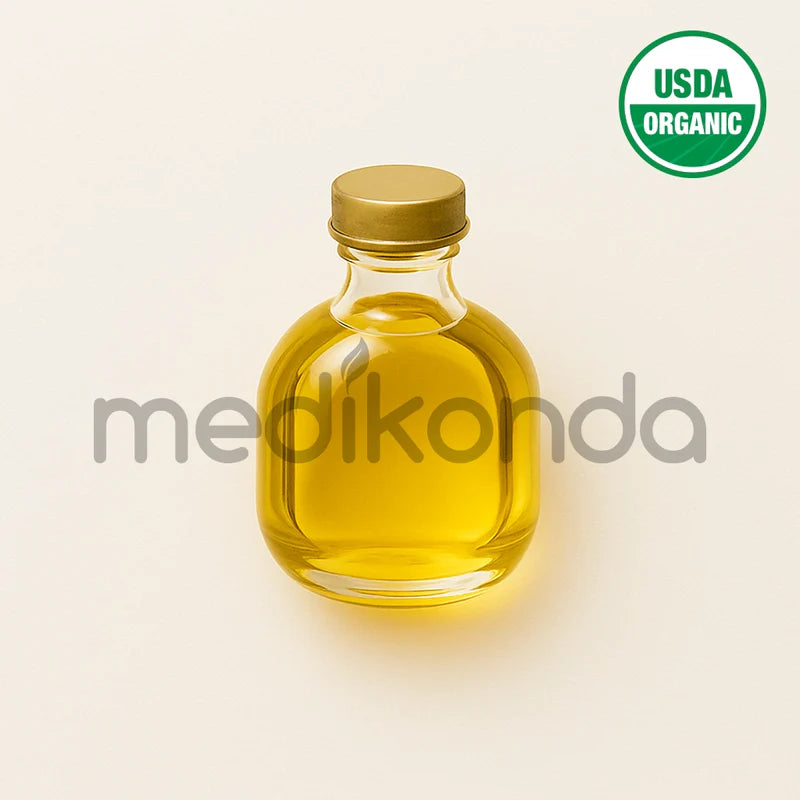
Vitamin E: Benefits, Uses, and Industry Applications
Introduction to Vitamin E
Vitamin E is a fat-soluble nutrient known for its powerful antioxidant properties and vital role in maintaining overall health. It protects cells from oxidative damage, supports immune function, and promotes skin and eye health. As an essential nutrient, it must be obtained through diet or supplementation since the body cannot produce it.
What is Vitamin E?
Vitamin E is a group of eight compounds, including tocopherols and tocotrienols, with alpha-tocopherol being the most biologically active form in humans. It is naturally found in plant-based oils, nuts, seeds, and leafy green vegetables, but is also available in synthetic and natural supplement forms for consistent intake.
Health Benefits of Vitamin E
1. Powerful Antioxidant Protection
Vitamin E helps neutralize free radicals, reducing cellular damage and slowing the aging process.
2. Supports Skin Health
It aids in maintaining skin elasticity, hydration, and healing, making it a common ingredient in skincare products.
3. Boosts Immune System Function
Vitamin E enhances the body’s immune response, helping fight infections and illnesses.
4. Promotes Eye Health
Regular intake supports vision and reduces the risk of age-related macular degeneration.
5. Improves Cardiovascular Function
Vitamin E contributes to heart health by protecting LDL cholesterol from oxidation and supporting healthy blood vessel function.
Common Uses of Vitamin E
-
Dietary Supplements – Available in capsules, tablets, and softgels for daily use.
-
Cosmetics & Personal Care Products – Included in creams, lotions, and oils for skin nourishment.
-
Food Fortification – Added to cereals, spreads, and health drinks for nutritional enhancement.
-
Pharmaceutical Applications – Used in formulations aimed at improving antioxidant defense and skin recovery.
Natural Food Sources of Vitamin E
Rich dietary sources include sunflower seeds, almonds, hazelnuts, spinach, wheat germ oil, avocado, and vegetable oils like sunflower, safflower, and olive oil.
Recommended Daily Intake
-
Adults: 15 mg (22.4 IU) per day
-
Breastfeeding Women: 19 mg (28.4 IU) per day
Supplement dosage may vary depending on health needs and should be guided by a healthcare professional.
Importance of Quality in Vitamin E Supply
Whether used in nutraceutical, cosmetic, or pharmaceutical products, Vitamin E quality is critical. Factors like purity, stability, and bioavailability determine its effectiveness, making it essential for manufacturers to source from reliable, certified suppliers.
Final Thought
Vitamin E is a vital nutrient with wide-ranging benefits—from protecting cells and supporting skin health to boosting immunity and heart function. Its versatility makes it valuable across industries, from supplements and fortified foods to cosmetics and pharmaceuticals. For businesses, partnering with a trusted bulk supplier ensures premium quality, regulatory compliance, and consistent customer satisfaction.
For bulk orders and inquiries,visit Medikonda - Vitamin E


